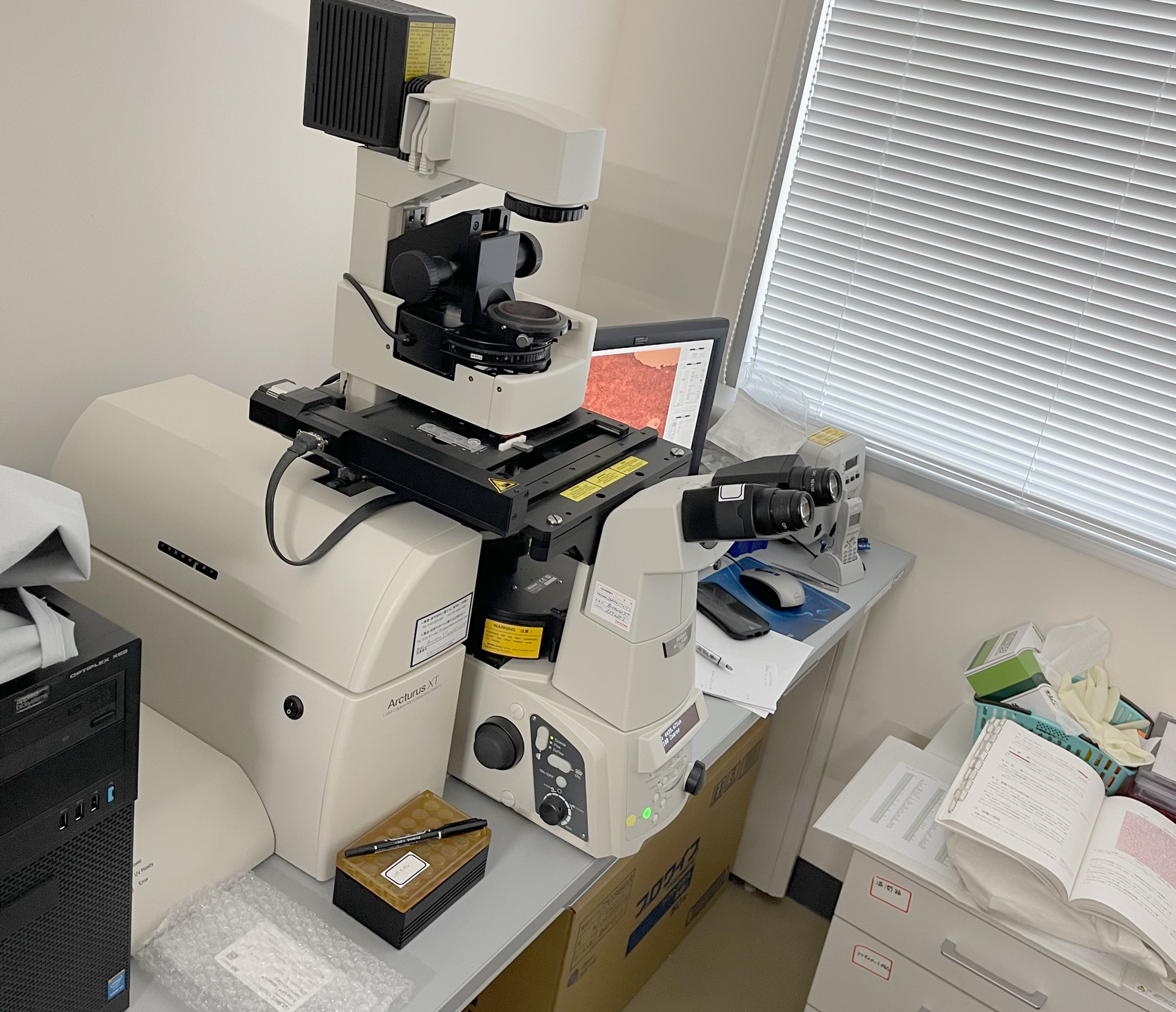
Research Base for Diabetes Cure and Biozipcode Moves to Kyoto University
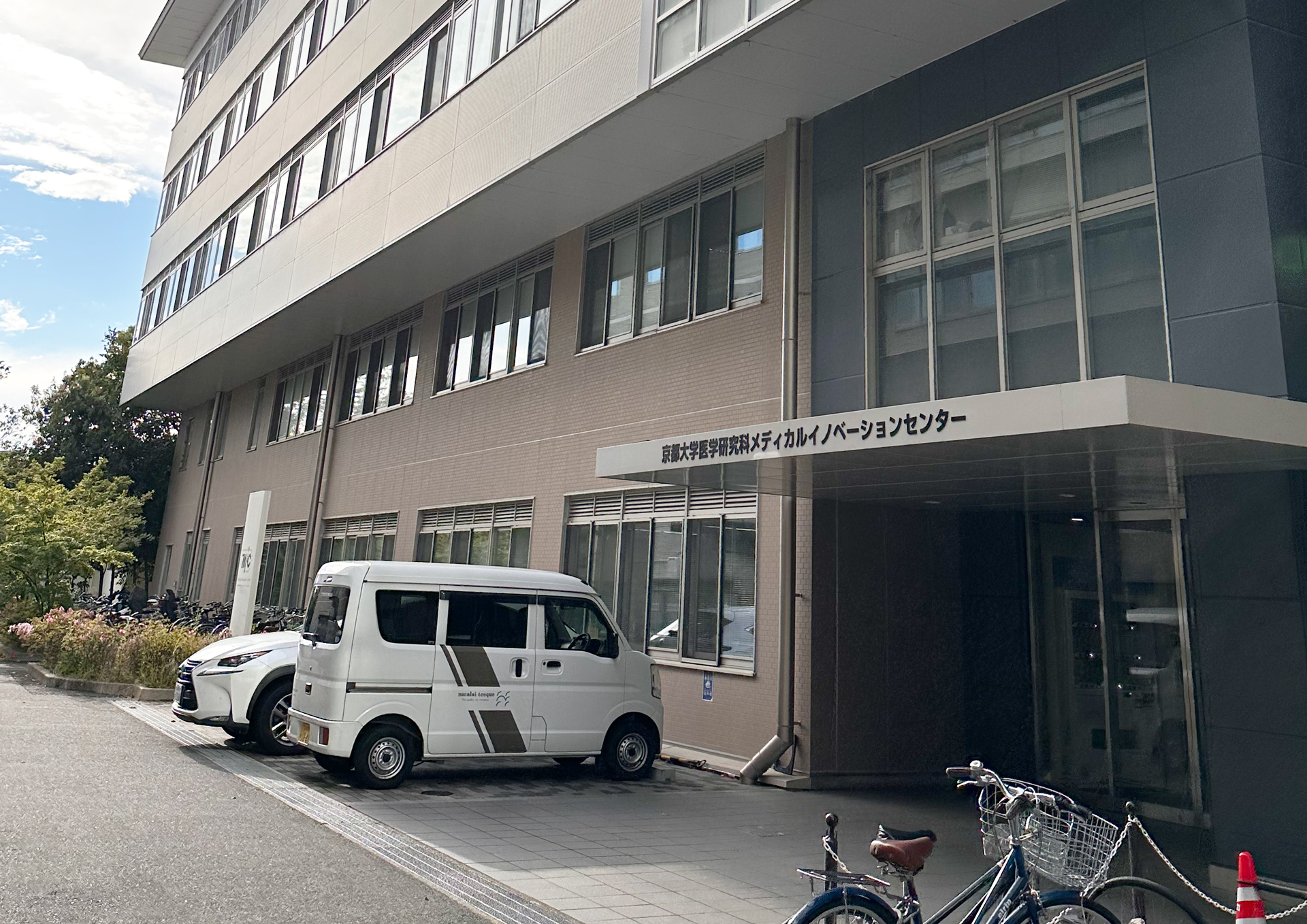
GDT Community is pleased to share an important update in the progress of the diabetes cure project. The research program that has been built through years of work at Shiga University of Medical Science has now moved its academic base to the Department of Biocommunication Development, Kyoto University Graduate School of Medicine and Faculty of Medicine.
Led by Professor Hideto Kojima, the Department of Biocommunication Development focuses on the development of new medical approaches for difficult chronic diseases, including diabetes, cancer, autoimmune diseases, and organ failure. The department aims to connect regenerative medicine, drug redevelopment, diagnostic technologies, and cell-targeting methods into practical solutions that can eventually be brought closer to patients.
For many years, the research team has explored diabetes not only as a disease of high blood glucose, but as a condition that may be maintained by abnormal cells and tissue-level changes inside the body. This approach has led to the concept of “diabetes stem cells” and to research suggesting that diabetes may one day be addressed at a more fundamental level, beyond conventional glucose control alone.
One of the key milestones in this journey was the 2023 publication of research on complete remission of diabetes in a streptozotocin-induced mouse model using a transient combination of an HDAC inhibitor and insulin. This work helped shape a new view of diabetes: not simply as a lifelong condition to be managed, but as a disease whose underlying cellular mechanisms may be studied, targeted, and potentially reset.
At the same time, Biozipcode’s cell-targeting technology has opened a path toward more precise drug delivery. Rather than exposing the entire body to a treatment, the long-term goal is to deliver therapeutic agents more accurately to the cells and tissues that matter most. This is the scientific foundation behind the vision of developing diabetes therapies that are not only more effective, but also designed to reduce unnecessary side effects as much as possible.
GDT was created to help move this vision from the laboratory toward real-world implementation. Together with Biozipcode, GDT Community has supported the broader framework for clinical trial preparation, biomarker development, 5-ALA-related research, medical implementation, and international collaboration. Previous progress has included preparation for diabetes cure clinical trials in Palau, GMP-ready investigational drug supply, development of diabetes biomarker testing, and steps toward global medical partnerships.
The move to Kyoto University marks a new chapter. It strengthens the academic foundation of the project and creates a broader platform for collaboration with researchers, medical institutions, industry partners, and supporters in Japan and around the world. Going forward, GDT Community will continue to work closely with Biozipcode to advance research on diabetes cure, diabetes stem cell biomarkers, 5-ALA, Biozipcode™ cell-targeting technology, and the development of safer, more precise therapeutic strategies.
This update should not be understood as a claim that 5-ALA alone cures diabetes, or that a completely side-effect-free drug has already been established. The project remains in the research and clinical development stage, and patients should never stop diabetes medication or insulin therapy without the supervision of a qualified physician.
Our goal is clear: to help build a future where diabetes is no longer treated only as a condition to be managed for life, but as a disease for which fundamental improvement—and eventually complete remission—can be seriously pursued through science, clinical validation, and responsible global implementation.
About the Department of Biocommunication Development, Kyoto University
The Department of Biocommunication Development at Kyoto University Graduate School of Medicine and Faculty of Medicine is a research and development hub led by Professor Hideto Kojima. The department focuses on new medical approaches for difficult chronic diseases such as diabetes, cancer, autoimmune diseases, and organ failure, combining regenerative medicine, drug development, diagnostic technologies, and cell-targeting science.
A central theme of the department is understanding how biological information is exchanged between cells, tissues, and organs—and how that knowledge can be applied to medicine. Through short peptide-based targeting technologies such as Biozipcode™, the research aims to identify specific cells and tissues more precisely and to apply that precision to future diagnostics and therapies.
The move to Kyoto University is an important milestone for the diabetes cure project. Building on the research foundation developed at Shiga University of Medical Science, including work on diabetes stem cells, bone-marrow-derived cells, tissue injury, and regenerative medicine, the new Kyoto University base provides a stronger platform for academic collaboration, clinical translation, and real-world implementation.
Kyoto University, Graduate School of Medicine and Faculty of Medicine
Department of Biocommunication Development
https://biozipcode.org/
About Biozipcode, Inc.
Biozipcode, Inc. is a research and development company working toward fundamental therapies for diabetes and other difficult diseases through cell-targeting technology. Its core platform, Biozipcode™, is based on short peptide sequences that can recognize specific cells or tissues in the body, with the goal of delivering drugs or diagnostic tools more precisely to where they are needed.
Many conventional medicines act broadly throughout the body. While this can produce therapeutic effects, it may also affect organs and cells that are not the intended target. Biozipcode’s long-term vision is to make treatment more precise by targeting disease-related cells and tissues more accurately, helping to reduce unnecessary side effects as much as possible.
In the field of diabetes, Biozipcode is not focused only on temporary glucose control. The company is pursuing a deeper approach that looks at the cells and mechanisms that may keep the diabetic state active inside the body. This includes research related to diabetes stem cell biomarkers, HDAC inhibitors, 5-ALA, and Biozipcode™ cell-targeting technology.
Going forward, GDT Community will work closely with Biozipcode to help connect scientific discoveries with clinical trials, diagnostic development, drug development, and international medical implementation. The shared goal is to move diabetes beyond lifelong management and toward a future where fundamental improvement—and eventually complete remission—can be responsibly pursued through science.

Biozipcode, Inc.
https://biozipcode.com/
Share This Story
*This blog page and news page contain not only information about the Global Development Token, but also business details and reports regarding Biozipcode, Inc. and the Biozipcode Group. Please be aware that NOT all information or individuals featured in these blog and news pages are associated with the Global Development Token.