
A New Understanding of Diabetes

Diabetes Cure Research — A Challenge Toward Fundamental Treatment Beyond Blood Sugar Control
Until now, diabetes treatment has primarily focused on lowering blood glucose levels. Managing blood sugar through diet, exercise, medication, and insulin therapy is extremely important. However, even when blood glucose temporarily improves, it does not always mean that diabetes itself has been completely cured. One possible reason is that the underlying factors that sustain the diabetic condition may still remain in the body.
As one possible underlying cause, we are focusing on a unique population of cells that we call “diabetes stem cells.” These cells may contribute to maintaining the diabetic state within the body. In our research, we are exploring whether a combination of blood glucose control and 5-ALA could potentially lead to a fundamental treatment or remission (complete cure) of diabetes.
What Is Diabetes?
For many decades, diabetes has been regarded as a disease that people must live with for the rest of their lives.
But what if the disease itself could be addressed by targeting its underlying cause?
The Discovery of Diabetes Stem Cells and a New Treatment Approach
Diabetes is a condition in which the level of sugar in the blood, known as blood glucose, remains too high. When high blood glucose continues for a long time, it can place a burden on the blood vessels, nerves, kidneys, eyes, heart, and other organs, leading to various complications. Current diabetes treatment is mainly based on managing blood glucose through diet, exercise, medication, and insulin. However, while lowering blood glucose is very important, it may not be enough to remove the true underlying cause of diabetes.
Our team has discovered the presence of abnormal cells hidden within the bone marrow. These cells may continue to preserve the diabetic state in the body even after blood glucose levels have been controlled. We call these cells “diabetes stem cells.” In a sense, they may act like an “invisible enemy” that allows diabetes to survive inside the body. They may quietly damage organs and contribute to the persistence of diabetes and its complications. In Biozipcode’s research overview, diabetes stem cells are also described as cells that remain even after blood glucose levels have normalized and may help maintain diabetes and its complications.
Based on this concept, we believe that diabetes treatment should not only focus on lowering blood glucose, but also on addressing the cells that allow the disease to persist. In fact, a study published in 2023 reported that normal blood glucose levels were maintained even after treatment ended by temporarily using a drug called an HDAC inhibitor while controlling blood glucose with insulin. This represents a new way of understanding diabetes—not simply as a disease of high blood glucose, but as a condition involving something like a “memory of disease” remaining within cells.

5-ALA and Diabetes Stem Cells
5-ALA is a compound that also exists naturally in our body. It is involved in the process of producing energy in the mitochondria, often called the “power plants” of the cell. In diabetes, disruption of this energy metabolism is thought to play an important role. Studies combining 5-ALA with iron have reported improvements in HbA1c and blood-glucose-related markers in patients with Type 2 diabetes.
In addition, 5-ALA may have the potential to regulate the activity of abnormal cells related to diabetes stem cells and to act in a way similar to HDAC inhibitors. In other words, 5-ALA is not only a compound that may help lower blood glucose levels, but also an important candidate that should be further studied as a possible treatment leading to fundamental improvement of diabetes.
Our mission is to develop new treatments that do not merely suppress symptoms temporarily, but aim to fundamentally improve diabetes itself. If the activity of diabetes stem cells can be suppressed, or if these cells can be removed from the body, it may open a new path not only for diabetes, but also for serious complications affecting the kidneys, blood vessels, nerves, eyes, and other organs.
At present, we cannot officially state that 5-ALA can cure diabetes until clinical trials have been completed. These trials are planned to be conducted in locations such as Palau and the UAE. However, by combining research on 5-ALA, diabetes stem cells, and HDAC inhibitors, our goal is to change diabetes from “a lifelong disease” into “a disease for which fundamental improvement can be pursued.”
What We Are Currently Working On
Conducting Clinical Trials Toward FDA Approval
Diagnostic Test Kit for Diabetes
Until now, the diagnosis of diabetes has largely depended on measuring blood glucose levels, and there has been no definitive diagnostic test that directly identifies the underlying cause. However, with the discovery of “diabetes stem cells,” it has become possible to develop a companion diagnostic test that detects their presence in peripheral blood. By using the Biozipcode™ of diabetes stem cells, this test may allow detection from a single drop of blood.
Treatment for Diabetes
Research has revealed that abnormal hematopoietic stem cells, which we call “diabetes stem cells,” may interfere with the regeneration of pancreatic islets and make diabetes difficult to cure. In animal experiments, combining insulin with an HDAC inhibitor succeeded in eliminating these diabetes stem cells, and human clinical studies are now being advanced in countries around the world.
Toward Treatment with Minimal Side Effects
We are developing an innovative system called Biozipcode™, which is designed to deliver drugs only to specific cells. Inspired by the concept of Japanese postal codes, this technology uses seven-amino-acid sequences to precisely target specific cells. By accurately delivering therapeutic agents to the intended cells, we aim to minimize side effects while maximizing treatment effects.
Conducting Clinical Trials
There are multiple stages from basic research to clinical trials and eventual regulatory approval. Our goal is not to keep this treatment limited to expensive private medical care for a small number of people, but to deliver it as a medicine that can be covered by insurance and made accessible to people around the world.
Biozipcode™
Building a Next-Generation Drug Delivery System
We are developing a completely new treatment approach using Biozipcode technology, with the goal of fundamentally treating diabetes and its complications. Through this innovative approach, we aim to provide a breakthrough solution for diabetes treatment designed to avoid causing side effects.
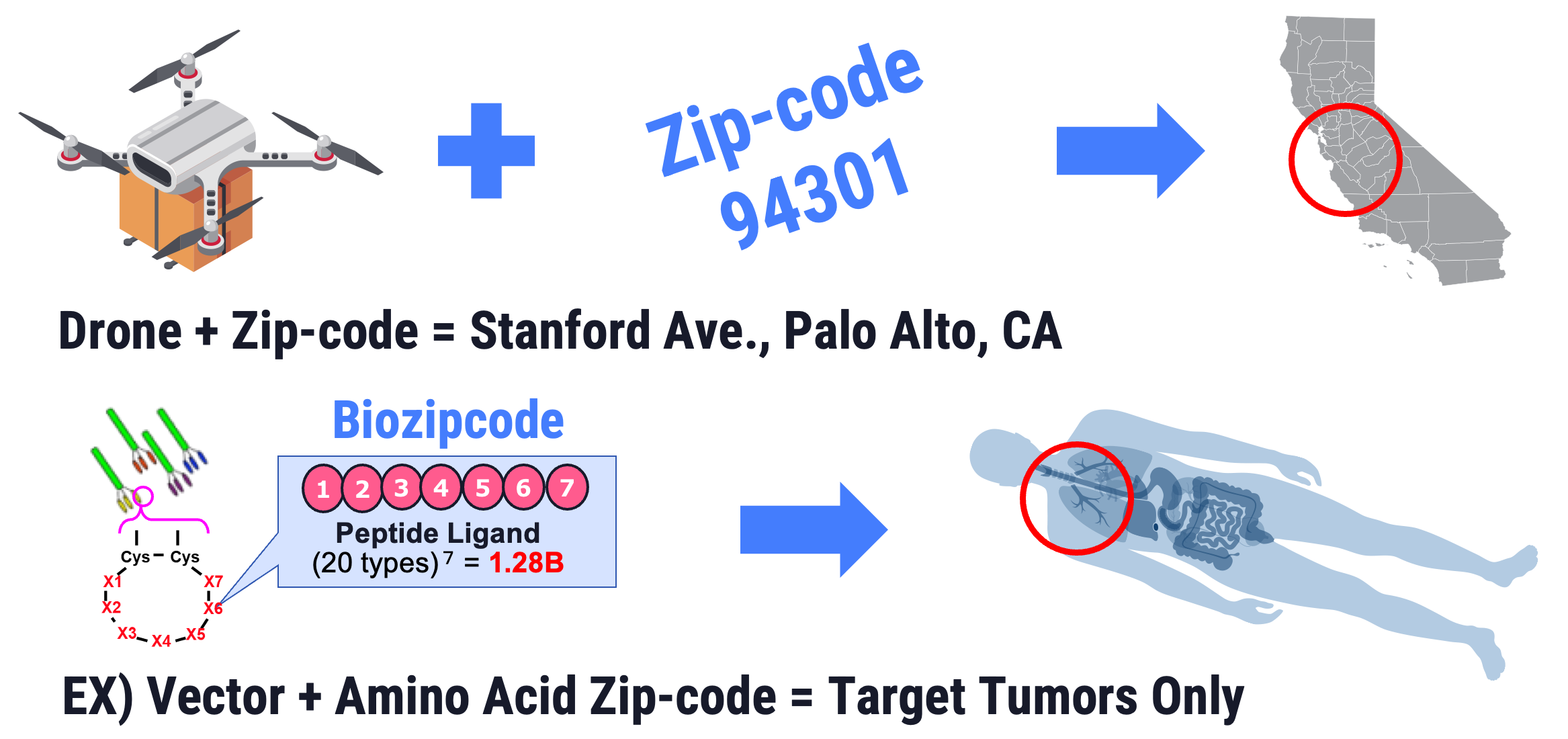
Biozipcode™: Targeted Drug Delivery System
Current oral and injectable medications act not only on target cells, but also on many other cells throughout the body. Biozipcode is designed to solve this problem by following the concept of Japanese postal codes: assigning a unique seven-amino-acid sequence to each target cell type.
By using 20 different amino acids, it is possible to generate as many as 1.3 billion unique codes. By attaching a specific code recognized only by the target cells to a drug carrier, drugs can be delivered only to the intended cells through the bloodstream or cerebrospinal fluid.
This system aims to enhance therapeutic effects while minimizing side effects, with the potential for broad medical applications in the future.
5-ALA
The Origin of Life
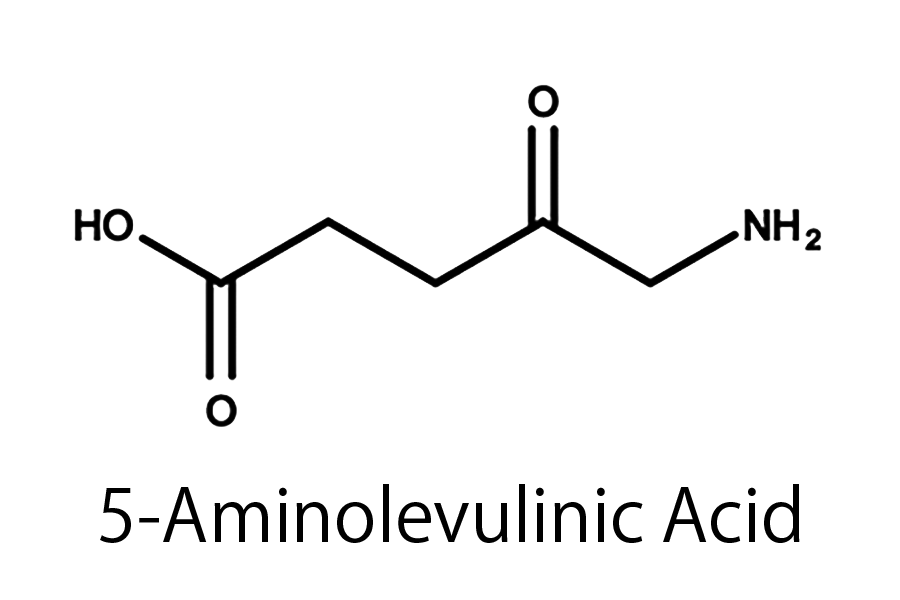
5-ALA, or 5-aminolevulinic acid, is a naturally occurring amino acid that has existed for approximately 3.6 billion years. It plays an essential role in energy production within the mitochondria of humans, plants, and other living organisms.
5-ALA and Blood Glucose
Some studies have examined whether taking 5-ALA together with iron can help lower blood glucose levels. In a 12-week study, participants with relatively high blood glucose showed improvement in blood glucose levels after taking 5-ALA and iron. In particular, better blood glucose control was observed in participants who took higher amounts.
These findings suggest that 5-ALA may have potential as a new approach for diabetes prevention.
5-ALA is a building block for producing “heme,” which functions in mitochondria. Heme is involved not only in hemoglobin in the blood, but also in the mitochondrial electron transport chain. In other words, 5-ALA is being studied as a compound related to mitochondrial function, glucose metabolism, oxidative stress, and inflammation control.
The Difference Between NMN and 5-ALA
A “Switch” That Activates Mitochondria and a “Material” for Producing Energy
NMN and 5-ALA are both attracting attention as compounds related to “cellular energy” and “mitochondria.” However, they work in very different ways. NMN is known as a precursor that helps increase NAD+, a substance involved in energy metabolism and cellular repair. In simple terms, NMN acts more like a “switch” or “regulator” that helps mitochondria function more actively.
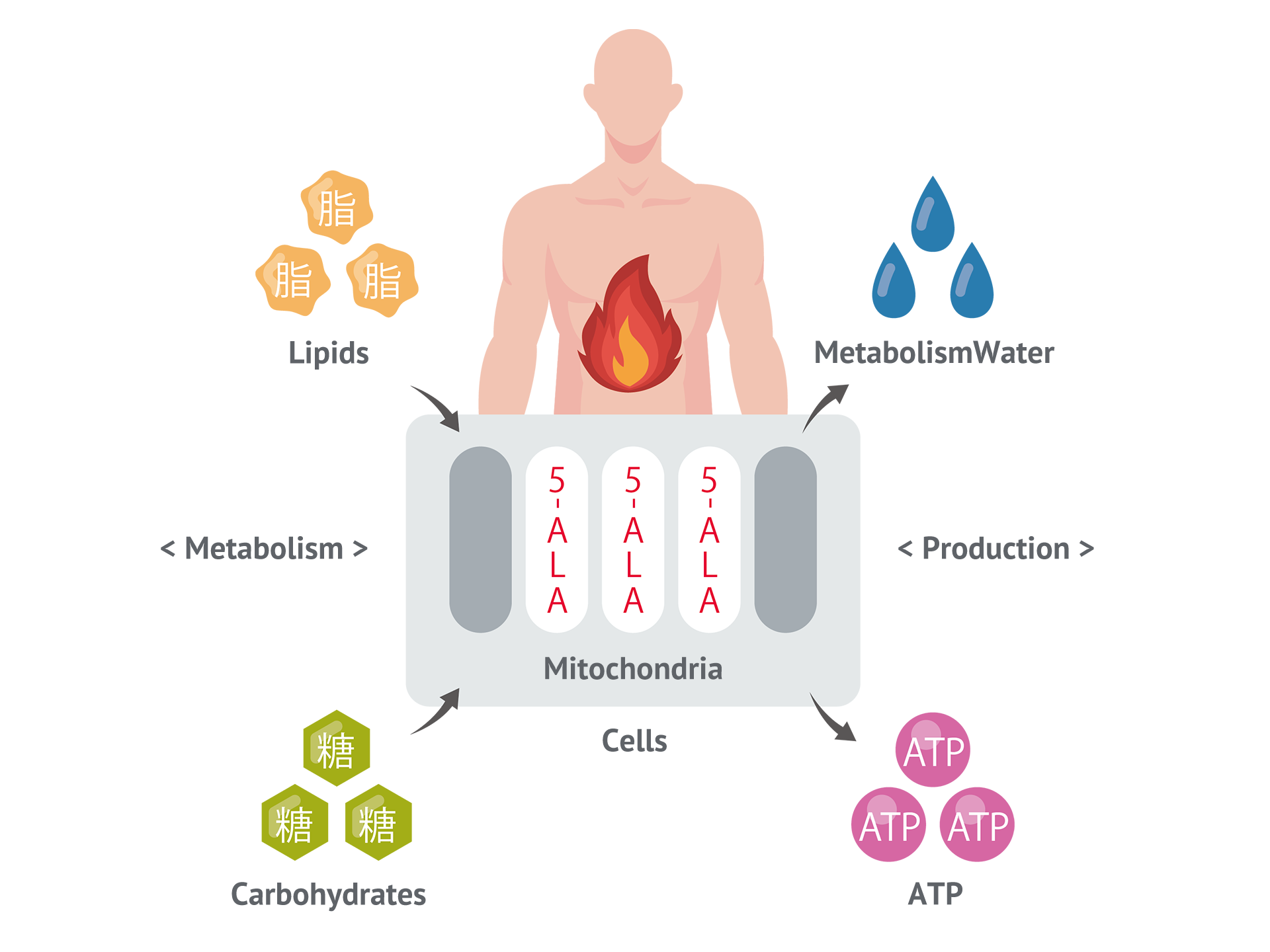
On the other hand, 5-ALA is a material used to produce “heme,” an important substance required for mitochondria to generate energy. Heme is involved not only in carrying oxygen in the body, but also in the mechanisms inside mitochondria that produce energy. In other words, rather than simply stimulating mitochondria, 5-ALA is more like a “raw material for fuel” that mitochondria need in order to actually produce energy.
To use an analogy, NMN is like a mechanic who tunes the car engine so that it runs better, while 5-ALA is involved in making the fuel that powers the engine. Both are related to health and metabolism, but in the context of diabetes and blood glucose control, 5-ALA can be explained as a compound that more directly supports glucose metabolism because it is involved in mitochondrial energy production itself.
5-ALA: A Fundamental Energy-Related Compound That Supports Mitochondria
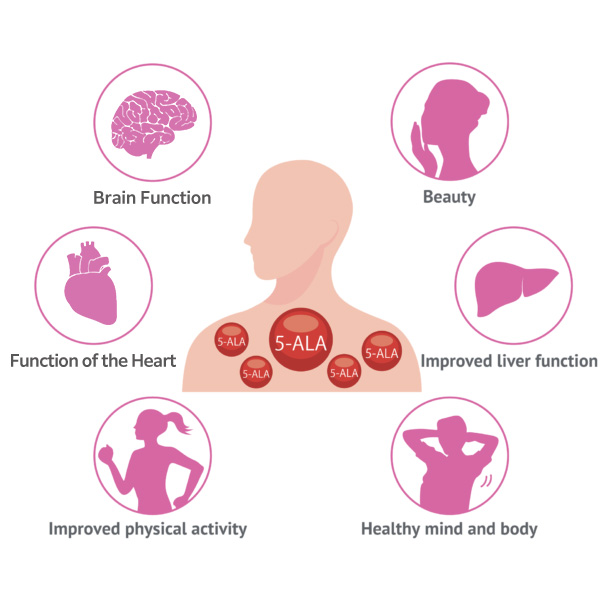
5-ALA is a compound that also exists naturally in our body and is deeply involved in the function of mitochondria inside cells. Mitochondria are often described as the “power plants” of the cell, because they convert nutrients from food into energy. Since 5-ALA is involved in this energy-producing system, it is thought to be related to many bodily functions, including glucose metabolism, fatigue, physical performance, body temperature, muscle function, skin, and hair. Related papers and academic presentations have introduced studies in a wide range of areas, including improvement of mitochondrial function, increased oxygen consumption, elevation of body temperature, physical performance, fatigue, sarcopenia, skin health, hair growth, and anti-inflammatory effects.
In relation to diabetes, clinical studies using 5-ALA together with an iron component have reported improvements in fasting blood glucose, glycated albumin, oral glucose tolerance test values, and HbA1c. In other words, 5-ALA is not simply a compound that “boosts energy.” Rather, it may support the way the body uses glucose and manages energy metabolism through mitochondria. Because diabetes is not only a problem of blood glucose, but is also related to metabolic imbalance throughout the body, 5-ALA is attracting attention as a possible supportive approach for diabetes.
In addition, 5-ALA is being studied not only in diabetes, but also in many other fields, including chronic fatigue, physical performance, sarcopenia, skin health, hair growth, infectious diseases, the central nervous system, rare diseases, and cancer diagnosis. This is because 5-ALA does not appear to act only on one specific symptom, but is related to the body’s foundation: cellular energy production and mitochondrial function. However, its effectiveness has not been established for all diseases.
At present, various companies, universities, and research institutions are conducting clinical studies on 5-ALA. A clear and balanced way to explain 5-ALA is that it is “a compound with the potential to be applied in various medical and health fields by supporting the body’s fundamental energy metabolism.”
Frequently Asked Questions About 5-ALA and Diabetes Cure Research
At present, it cannot be stated that “taking 5-ALA will cure Type 1 or Type 2 diabetes.” 5-ALA is being studied as a compound involved in glucose metabolism and mitochondrial function, and its potential to support diabetes treatment is under investigation. In fact, clinical studies using a combination of 5-ALA and SFC, an iron component, have reported trends toward improved safety and blood-glucose-related markers in patients with Type 2 diabetes.
At the same time, our research focuses on what we call “diabetes stem cells,” abnormal cells that may remain in the bone marrow and contribute to the difficulty of curing diabetes. In mouse studies, temporary treatment combining insulin with an HDAC inhibitor has been reported to maintain normal blood glucose even after the treatment period ended.
5-ALA is attracting attention as one of the possible candidates related to this fundamental treatment research. However, its use as a treatment aimed at curing diabetes still needs to be further verified through clinical trials.
It should also be noted that 5-ALA supplements currently sold in Japan are treated as health foods, not as medicines. The 5-ALA hydrochloride formulation approved in the United States is not a diabetes medication; it is a drug used for photodynamic diagnosis to help visualize tumor tissue during surgery for malignant glioma.
Some studies have reported trends toward improvement in fasting blood glucose, glycated albumin, 2-hour values in oral glucose tolerance testing, and HbA1c when 5-ALA is taken together with SFC, an iron component. The uploaded materials also introduce studies related to Type 2 diabetes and mitochondrial diabetes, suggesting that 5-ALA may help support glucose metabolism.
However, the effect on blood glucose varies from person to person. Results may differ depending on the state of diabetes, pancreatic function, insulin resistance, diet, exercise, and current medications. Therefore, 5-ALA should not be used as a substitute for diabetes medication or insulin based on personal judgment. It should be understood as a compound that may support glucose metabolism.
Special caution is needed for people who are already using diabetes medication. Because blood glucose levels may change, anyone considering taking 5-ALA should do so carefully under medical supervision, with appropriate blood glucose monitoring.
5-ALA is a compound that also exists naturally in the human body and is involved in the process by which mitochondria produce energy. In clinical studies, trials using 5-ALA together with SFC at doses of up to 200 mg per day in patients with Type 2 diabetes have suggested that there may be relatively few major safety concerns. However, it cannot be said that “because it exists in the body, it has no side effects.” Caution is needed depending on the dose, individual constitution, underlying diseases, and other medications being taken.
People undergoing diabetes treatment should be especially careful about hypoglycemia. If pancreatic function or insulin secretion improves as expected in some research, people using insulin injections or glucose-lowering drugs may experience blood glucose levels that fall too low. The uploaded materials also indicate that, if pancreatic function recovers, insulin management and blood glucose monitoring may become important issues.
For this reason, people with diabetes should not increase the dose of 5-ALA or reduce their medications on their own. They should always consult a physician before taking it.
The status of 5-ALA depends on the purpose of use and the type of product. In the medical field, 5-ALA hydrochloride has been approved in some cases as a drug used for photodynamic diagnosis in cancer. Gleolan, which is approved by the U.S. FDA, is an optical imaging agent used to make tumor tissue easier to see during surgery for malignant glioma.
On the other hand, 5-ALA supplements generally sold in Japan are treated as health foods, not as medicines. In other words, they are not approved as drugs for the treatment of diabetes. As a health food ingredient, 5-ALA is known to be contained in foods such as sake, natto, and fermented foods, and it is also present in the human body.
Therefore, at this stage, it cannot be stated that “5-ALA is a drug that cures diabetes.” A more appropriate explanation is that “5-ALA is being studied as a compound involved in glucose metabolism and mitochondrial function.” This is also because claiming that a health food can treat or prevent a disease may be considered a medicinal efficacy claim.
The appropriate amount of 5-ALA depends on the product type, the amount contained in each tablet, the purpose of intake, physical condition, underlying diseases, and other medications being used. Commercially available 5-ALA supplements are health foods, and unlike diabetes medications, they do not have a fixed “prescribed dose.”
Clinical studies have reported the use of 5-ALA together with SFC at doses of up to 200 mg per day, but these were controlled studies conducted under research conditions. Some commercially available products contain 50 mg per tablet, and some people may take around two tablets per day, but this does not mean that such an amount is appropriate for everyone.
People undergoing diabetes treatment, those using insulin or glucose-lowering medications, those with kidney or liver concerns, and those who are pregnant or breastfeeding should not decide the dose on their own. They should consult a physician or specialist.
No. Even if you are interested in 5-ALA, you should not stop your current diabetes medication or insulin based on your own judgment. Blood glucose control is extremely important for preventing complications involving the kidneys, eyes, nerves, cardiovascular system, and other organs. Suddenly stopping medication or insulin may cause blood glucose levels to rise significantly and may lead to serious complications.
Our goal is not merely to lower blood glucose levels, but to address the cellular-level causes that may allow diabetes to persist. In mouse studies, maintaining blood glucose control with insulin while using an HDAC inhibitor has been shown to help maintain normal blood glucose even after treatment ended.
However, how to achieve fundamental improvement of diabetes in humans still needs to be verified through clinical trials and clinical research. Therefore, at this stage, we cannot provide a specific treatment method for “how to take 5-ALA to cure diabetes.” Any changes to treatment should always be made under the supervision of a primary physician or diabetes specialist.
5-ALA is being studied for its possible involvement in cellular metabolic status, mitochondrial function, and the epigenomic environment. At the current stage of research, it is becoming clearer that 5-ALA may help regulate epigenomic abnormalities in a direction similar to HDAC inhibition, but clinical trials specifically aimed at curing diabetes will still be necessary in the future.
However, at present, it is not appropriate to describe 5-ALA as an established HDAC inhibitor. In the diabetes mouse study that demonstrated complete remission, the HDAC inhibitor used was givinostat. 5-ALA should be explained not as an HDAC inhibitor itself, but as a candidate that may help normalize abnormal cellular states in a direction similar to HDAC inhibition.
Therefore, for the general public, we currently describe it as follows: “5-ALA is being studied as a new treatment candidate with attention to safety, in connection with research on diabetes stem cells and fundamental treatment using HDAC inhibitors.”
An HDAC inhibitor is a type of drug that regulates “gene switches” inside cells. Our cells contain DNA, but not all genes are active all the time. Only the genes that are needed are turned on, while unnecessary genes remain inactive. One of the systems that controls which genes are active involves enzymes called HDACs.
HDAC inhibitors suppress the activity of HDACs and may help change abnormal cellular states. In simple terms, they are expected to act somewhat like resetting a cell’s “bad memory” of disease. They are being studied in many fields, including cancer, inflammation, neurological diseases, and diabetes.
In diabetes stem cell research, HDAC inhibitors may help normalize abnormal bone-marrow-derived cells that contribute to the persistence of diabetes. In mouse studies, temporary treatment with insulin and the HDAC inhibitor givinostat has been reported to maintain normal blood glucose even after the treatment period ended.
Diabetes stem cells are abnormal cells that may remain in the body even after blood glucose levels temporarily return to normal, and they may contribute to the persistence of diabetes. In our research, we focus on the possibility that bone-marrow-derived cells are involved in the difficulty of curing diabetes and its complications. We believe that abnormal cells within the hematopoietic stem cell fraction may cause diabetes and its complications and create a condition that is difficult to reverse.
Diabetes has traditionally been viewed mainly as a disease of high blood glucose. However, one reason why diabetes may not be completely cured even when blood glucose is lowered could be that cellular-level causes remain inside the body. This is the concept behind diabetes stem cell research.
In simple terms, diabetes stem cells may be one of the “invisible causes” that allow diabetes to persist in the body. If the activity of these cells can be suppressed or the cells can be removed, it may lead to fundamental improvement of diabetes itself and its complications.
There is a possibility, but at this stage it cannot be stated that diabetic complications can also be cured. Diabetic complications involve damage to blood vessels, nerves, kidneys, eyes, the heart, and other organs. Diabetes is not only a problem of blood glucose; it is a disease that affects the entire body. In our current research, we have organized more than 20 years of research reports, by organ, on abnormalities of bone-marrow-derived cells and organ damage in diabetes.
For more details about the research, please see the laboratory’s publication list: “Previous Research Reports on Bone-Marrow-Derived Cells in Diabetes and Its Complications”
https://biozipcode.org/lab/achievement
5-ALA is being studied as a compound that supports mitochondrial function and energy metabolism. Therefore, its potential future applications may also become research topics in areas related to diabetic complications, including vascular damage, nerve damage, inflammation, and tissue repair. 5-ALA is often introduced as a compound being studied not only in diabetes, but also in a wide range of fields such as fatigue, physical function, sarcopenia, skin health, anti-inflammatory effects, and the central nervous system.
To Our Collaborators and Supporters Who Wish to Advance Research, Clinical Trials, and Real-World Implementation Together
This initiative is not something that can be completed through supplement sales alone. To move forward with clinical trials, biomarker development, manufacturing, regulatory approval, international expansion, and medical implementation, we need the cooperation of companies, investors, medical institutions, research organizations, and supporters.
Development of a Test Kit to Detect Diabetes Stem Cells
We aim to develop biomarker tests and companion diagnostics that can evaluate the state of diabetes, the risk of recurrence, and treatment response in greater depth, using methods such as blood testing.
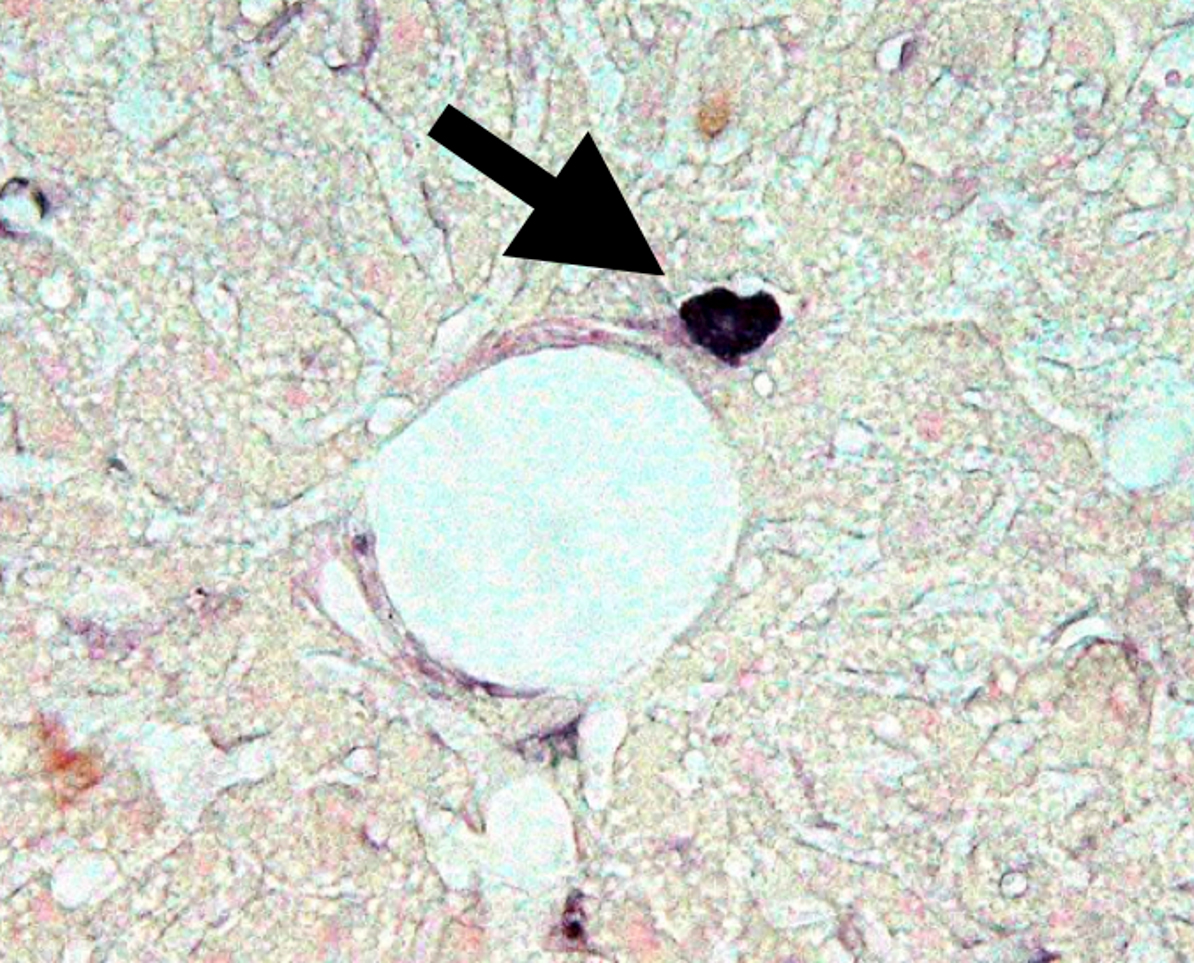
What Are Diabetes Stem Cells?
Diabetes is often understood as a disease of high blood glucose. However, we believe that its true nature cannot be explained by blood glucose levels alone. Even when blood glucose temporarily improves, complications may continue to progress, or the disease condition may worsen again. One possible reason is the presence of abnormal cells that remain in the body.
In our research, we have identified abnormal bone-marrow-derived cells within the hematopoietic stem cell fraction that may be involved in diabetes and its complications. We refer to these cells as “diabetes stem cells.” These cells may remain in the body as if they are retaining a memory of the diabetic state, and may influence the regeneration systems of blood vessels and organs.
By better understanding these diabetes stem cells and developing ways to detect them in the future, we hope to open the way to a new form of medicine that evaluates diabetes not simply as an abnormality of blood glucose, but from a level closer to the root of the disease process.
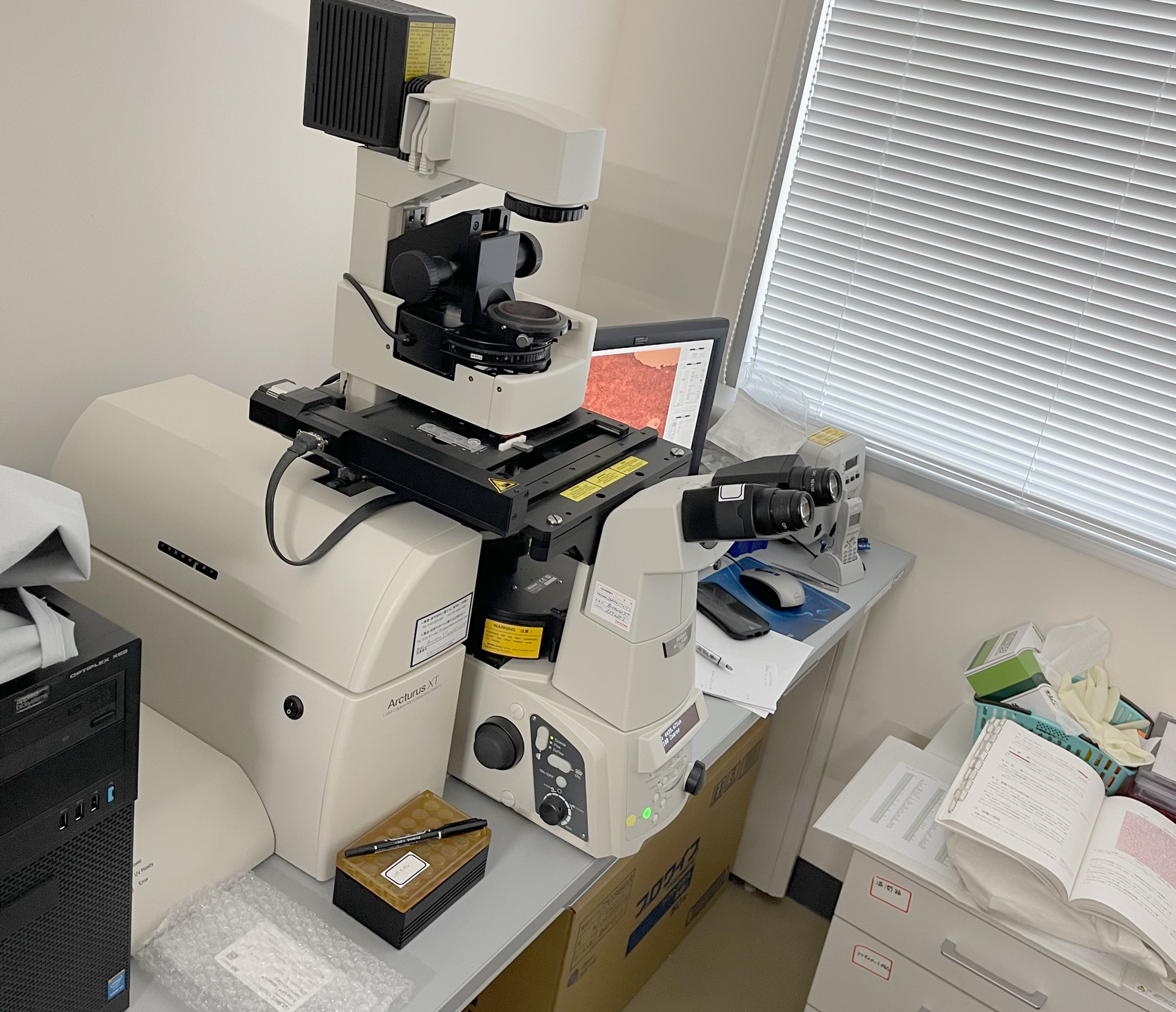
Reading the Deeper Disease State of Diabetes from Blood
To detect diabetes stem cells, or abnormal bone-marrow-derived cells, more easily, we are working toward the development of a testing technology based on Biozipcode™. Biozipcode™ is a cell-recognition technology that uses 7-amino-acid peptides that bind to specific cells or tissues. It may be applied as a marker to help identify abnormal cells related to diabetes.
In the future, with the cooperation of medical institutions, we would like to compare peripheral blood samples from people with diabetes and healthy individuals, and identify the binding cell populations that are characteristically seen in patients with diabetes. We then aim to establish this as a research-use assay that can be quantified by methods such as flow cytometry and FACS, and further develop it into a measurement system that can objectively evaluate the presence and changes of diabetes stem cell-like cells.
If this testing technology is established, it may become possible to evaluate the state of diabetes, the risk of complication progression, the risk of recurrence, and treatment response in greater depth. In the future, it may also be developed into a supportive test to help determine whether diabetes has improved or entered remission, as well as a companion diagnostic used together with therapeutic approaches.

A New Test Kit for Diabetes Diagnosis
After establishing the measurement system as a research-use assay, we aim to apply it to a simple test kit using technologies such as a Biozipcode™ capture chip and a compact reader. The goal is to make it possible to test with a small amount of blood, and eventually even with a single drop of blood. If this can be developed into a test that can be used easily at medical institutions and health checkup facilities, similar to common viral test kits, it could become a new gateway for evaluating diabetes earlier and more deeply.
In this field, we are seeking collaboration with test kit development companies, clinical laboratory companies, biomarker development companies, in vitro diagnostic manufacturers, medical institutions, health checkup facilities, data analysis and AI diagnostic companies, and partners who can support regulatory approval for diagnostic testing in different countries. To turn a research-stage discovery into a test that can be used in real medical settings, many areas of expertise are required, including sample collection, standardization of the measurement system, clinical data analysis, manufacturing, quality control, and regulatory approval.
If a technology for detecting diabetes stem cells can be established, it may become an important platform not only for diabetes treatment, but also for predicting complications, assessing recurrence risk, evaluating treatment response, and supporting personalized medicine. We see this testing technology as an important step toward understanding diabetes more deeply and connecting that understanding to future fundamental treatment.
*Please contact us for details regarding the current development status.
Licensing and Co-Development of Patented Technologies Related to Fundamental Diabetes Treatment
Bringing patented technologies aimed at fundamental diabetes treatment to medical settings around the world
From “blood glucose control” to treatment that addresses the underlying cause
We have been conducting research based on the view that diabetes should not be understood simply as a condition of high blood glucose or poor glucose control. Instead, we focus on deeper cellular abnormalities behind the disease, especially the presence of abnormal bone-marrow-derived cells that we refer to as “diabetes stem cells.” Conventional diabetes treatment has mainly developed around lowering blood glucose. However, if the cells that help maintain the diabetic state can be identified and controlled, this may open the way to a more fundamental form of treatment.
Based on this concept, Biozipcode Inc. owns, has filed, and is advancing national-phase applications for multiple international patents related to the fundamental treatment and diagnosis of diabetes. These include technologies such as “diabetes treatment targeting abnormal stem cells,” “diabetes treatment using stem cell migration agents,” “methods and agents for the new treatment, diagnosis, and detection of diabetes and its complications,” and “methods or therapeutic agents for treating diabetes and its complications using HDAC modulators.”
These intellectual properties may be applied in many forms, including pharmaceuticals, diagnostics, companion diagnostics, cell-targeted therapies, and biomarker testing. We do not intend simply to hold patents. Rather, we aim to connect our research findings to real medical practice through co-development with pharmaceutical companies, biotech ventures, diagnostic companies, medical device manufacturers, CROs, and partners with strong expertise in regulatory affairs and approval processes.

Country-by-Country and Region-by-Region Licensing, and Partnerships for Regulatory Approval
Diabetes is a global challenge, but healthcare systems, pharmaceutical regulations, insurance systems, and clinical trial procedures differ greatly from country to country. For this reason, we are prepared to pursue patent licensing and co-development in ways that are tailored to each country and region, rather than limiting our efforts to a single market.
For example, regulatory approval requires different processes depending on the authority involved, such as PMDA in Japan, FDA in the United States, EMA in Europe, and the relevant regulatory agencies in other countries. We welcome collaboration with companies, medical institutions, CROs, regulatory consulting firms, and business partners who can support these processes locally and help bring the technologies into practical use in each market. We are open to flexible forms of collaboration, including exclusive licenses by country or region, co-development agreements, clinical trial partnerships, and commercialization or implementation partnerships.
Our goal is not to leave this new treatment concept for diabetes inside the laboratory. By combining diabetes stem cells, HDAC modulation, 5-ALA, and Biozipcode™ technology, we aim to bring a new possibility to medical settings around the world—one that is different from conventional treatment centered mainly on blood glucose control. To achieve this, we are seeking partners who can work with us across technology, funding, regulatory strategy, clinical development, manufacturing, and commercialization.
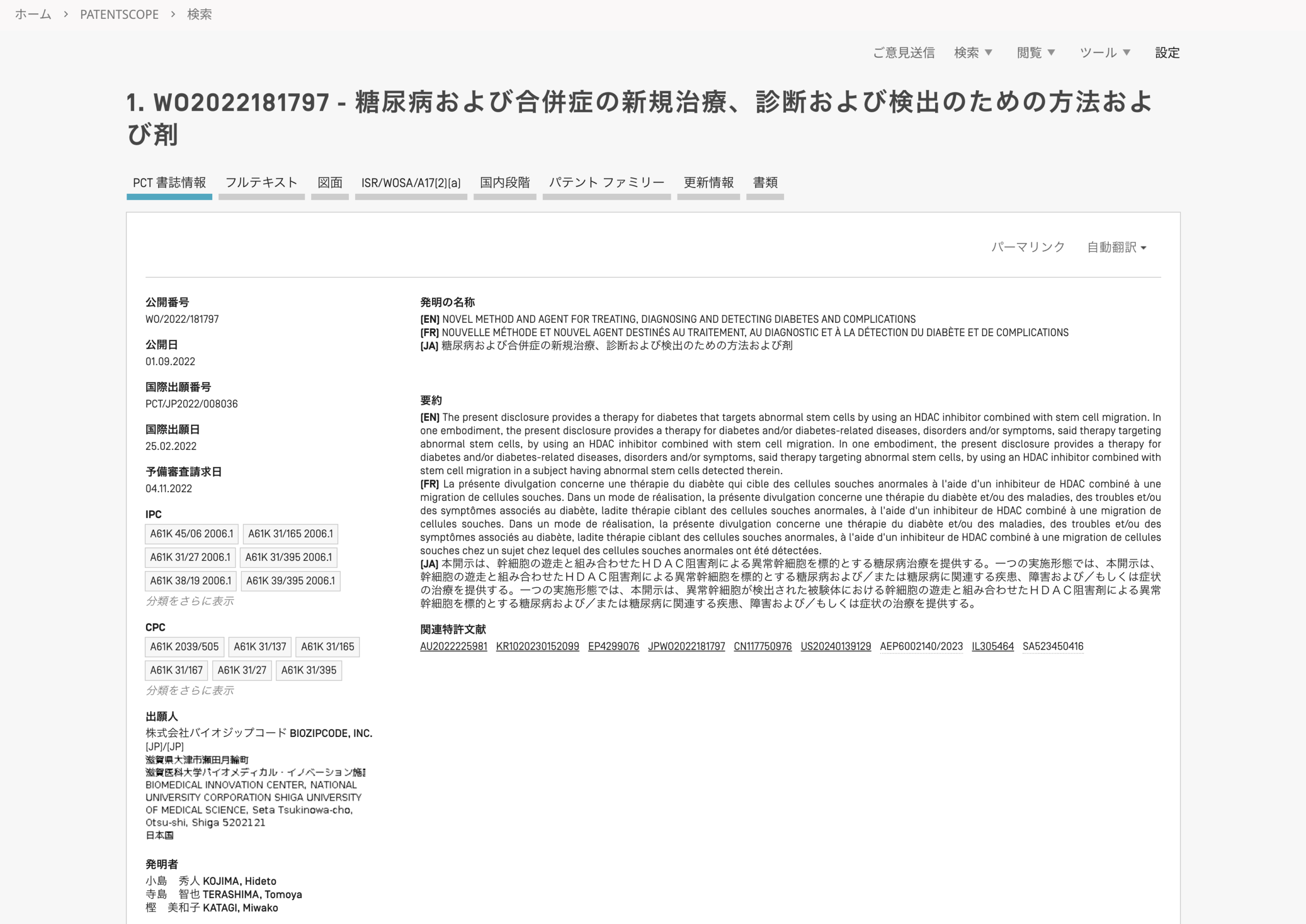
Patent List
Diabetes Therapy Targeting Abnormal Stem Cells
International Application No.:PCT/JP2020/039044
International Filing Date:16.10.2020
Therapy for Diabetes Using Stem Cell Migration Agent
International Application No.:PCT/JP2020/039045
International Filing Date:16.10.2020
Novel Method and Agent for Treating, Diagnosing and Detecting Diabetes and Complications
International Application No.:PCT/JP2022/008036
International Filing Date:25.02.2022
Method or Agent with HDAC Regulator, for Treatment of Diabetes and Complications
International Application No.:PCT/JP2022/040140
International Filing Date:27.10.2022
Cooperation in High-End Medical Tourism and International Medical Implementation
Diabetes has become a serious challenge around the world. In regions such as the Middle East, Asia, and the Pacific, there is a growing need for new medical models for diabetes and its complications.

Through an international medical network that may include Palau, Japan, the UAE, and other regions, we aim to implement new medical services that combine research on the fundamental treatment of diabetes, preventive medicine, biomarker testing, 5-ALA-related programs, and regenerative medicine-based approaches.
In this field, we welcome collaboration with partners such as:
- Advanced medical clinics
- Medical tourism providers for high-net-worth individuals
- Health checkup and preventive medicine facilities
- Regenerative medicine clinics
- International medical coordinators
- Hotels, resorts, and wellness facilities
- Medical implementation partners in Palau, the UAE, Japan, and other regions
- Medical institutions capable of receiving international patients
In the future, our goal is not simply to sell supplements. We aim to build a reliable medical implementation model that combines testing, physician evaluation, lifestyle guidance, clinical research, and follow-up care.
Businesses Supporting Crowdfunding and Token Sales
Research aimed at the fundamental treatment of diabetes cannot be completed in a short period of time. To move forward from basic research to biomarker development, clinical trials, regulatory work, and international expansion, long-term and continuous funding is essential.

Building a Research and Medical Implementation Ecosystem Through GDT
GDT and its related projects are intended to help build an ecosystem that supports diabetes cure research, biomarker development for diabetes stem cells, clinical research involving 5-ALA, medical tourism, and the future social implementation of diagnostics and treatments.
In this area, we welcome collaboration with crowdfunding platform operators, Web3 and token-related companies, KYC/AML service providers, payment and wallet companies, international marketing firms, PR agencies, and partners who can support multilingual communication. We aim to build a system that delivers accurate information to supporters around the world, while placing strong importance on transparency and legal compliance appropriate for the medical and research fields.
Tokens and crowdfunding do not guarantee investment profit or financial return. They are intended as new ways to participate in and support research and real-world implementation aimed at the fundamental treatment of diabetes, under appropriate rules and compliance frameworks.

Crowdfunding Referral Partners
We are looking for referral partners who share our commitment to diabetes cure research and research and development involving 5-ALA, and who can help communicate information about crowdfunding. We welcome collaboration with businesses, media operators, influencers, and community managers involved in medicine, healthcare, preventive medicine, health foods, patient support, and wellness, who can help introduce this initiative in a trusted and responsible way.
Crowdfunding is not simply a way to sell products. It is a mechanism to move forward research and social implementation aimed at the fundamental treatment of diabetes, together with many supporters. For referral partners, we are also considering an affiliate-style collaboration model based on the introduction of supporters, while giving full consideration to laws, advertising regulations, and appropriate medical communication.
However, we cannot make definitive claims about the medical effects of 5-ALA or related research, or state that diabetes will definitely be cured. We are looking for partners who can work with us to communicate this initiative with honesty, transparency, and a clear focus on research and social implementation support.

Token Sales Referral Partners
GDT is intended to support the development of an ecosystem for the long-term social implementation of diabetes research and future medical applications. We are looking for referral partners who share this vision and can help communicate information about token sales.
We welcome collaboration with businesses and partners involved in Web3, tokens, international investor communities, medicine and healthcare, global marketing, KOL networks, media, and community management. We are seeking partners who can correctly communicate the purpose and social significance of GDT, while respecting the laws and regulations of each country and region, including KYC/AML requirements and advertising regulations.
For token sales referrals, we are also considering an affiliate-style collaboration model based on participant referrals. However, we do not make any statements that guarantee investment profit, price appreciation, or future returns. GDT is not merely a token sale. It is a long-term project to support diabetes research and medical implementation. We welcome inquiries from businesses, media organizations, and community partners who understand this purpose and can help expand the project in a reliable and responsible way.
* This program is not conducted in Japan.
Donations and Research Support from Foundations, Companies, and Individual Supporters
Research aimed at the fundamental treatment of diabetes is a mission that should be supported by patients, families, medical professionals, companies, foundations, and supporters who care about social impact.

Diabetes affects a large number of people around the world. Its complications, including vision loss, kidney failure, neuropathy, cardiovascular disease, and impaired wound healing, place a heavy burden not only on patients themselves, but also on their families and society.
We are working on this challenge by pursuing research that goes beyond blood glucose management and approaches the underlying causes of diabetes.
To move this research forward, we welcome support in the following forms:
- Research grants from foundations
- CSR and social contribution support from companies
- Joint research funding from medical and healthcare companies
- Donations from individual philanthropists
- Collaboration with diabetes patient support organizations
- Joint research support with universities and research institutions
- Grants, donations, and sponsorships for international expansion
Support received will be used for clinical research, biomarker development, establishment of testing technologies, regulatory work, international joint research, and the development of medical models that can reach patients.
We believe that research with the potential to change the future of diabetes should not be supported by researchers alone, but by society as a whole.
Roles and Responsibilities
The social implementation of our research cannot be completed by a single institution alone. Your cooperation and support will be an important part of making this vision possible.

Biozipcode, Inc. Research & Development / Social Implementation
Biozipcode, Inc. aims to realize curative treatment for diabetes by utilizing 5-ALA, HDAC inhibitors, and biomarkers. Starting with clinical trials in Palau, the company plans to expand toward regulatory approvals in Japan, the UAE, and the United States.
Department of Biocommunication Development, Kyoto University Research & Development
Led by Professor Hideto Kojima, this department specializes in the development of regenerative medicine therapies for diabetes, cancer, autoimmune diseases, and organ failure.

Global Development Token Fundraising / Social Implementation
Global Development Token, or GDT, and Palau Development Token, or PWDT, are issued by Auring Ltd. in the BVI and operated by Biozipcode Group. These initiatives are designed to support diabetes cure research, medical tourism, and global healthcare innovation.

KIYAN MEDICAL Co.,Ltd. Fundraising
KIYAN MEDICAL Co.,Ltd. was established in October 2023 as an organization that integrally promotes drug discovery research and clinical application. The company is part of the KIYAN PHARMA Group, which specializes in contract manufacturing of pharmaceutical intermediates and active pharmaceutical ingredients, including 5-ALA supplements